
Suspension
Build your suspension
Building for: Billy Goat Bluff Track · Back to Billy Goat Bluff Track
Tell us the 4WD once. We show you what every brand we stock does for it, what it carries and how high it sits, every part priced, and we tell you straight whether it needs an engineer.
Lift limits are set by the state, not nationally. Queensland allows 75mm before an engineer’s certificate is needed, no more than 50mm of it from the suspension.
1 · Your 4WD

The setup, not the number
What a lift actually does
A suspension kit is not a height setting. It is a spring rate and a damper chosen for the weight your 4WD carries every day, and the height is what falls out of that choice. Fit springs rated for a canopy, a drawer system and eighty litres of water to a ute that carries none of it and you get a hard, skittish thing that bounces on corrugations. Fit soft springs under a loaded tourer and it sags, bottoms out on the bump stops and eats its own shocks. Both of those are the same mistake: buying a number instead of a setup.
What height buys, and costs
Height does buy you something real. Ground clearance under the diffs and the sill, approach and departure angle, and room for a bigger tyre, which is usually what people are really after, because the tyre is what actually clears the rock. What it costs you is a higher centre of gravity, a driveline running at a steeper angle, a steering geometry the factory never intended, and headlights aimed at the treeline. Those are not reasons not to lift. They are the reasons a kit comes with more than four shocks in the box.
The law is a state law
The other half of the story is the law, and it is a state law rather than a national one. Queensland allows 75mm of total lift before an engineer’s certificate is required, and no more than 50mm of it from the suspension. A bigger tyre, up to 50mm more in diameter, counts towards the total at half its increase in diameter, because that is how far the body actually rose. Two identical 4WDs, one in Brisbane and one in Hobart, can land on opposite sides of that line. The builder on this page checks your build against your own state and tells you which side you are on before you buy, not after.
Either side of the line
We sell the parts either way. If your build needs a certificate you will read that here in plain words, with the reasons, and Legendex has the engineer who can issue it and the workshop that can fit it. What we will not do is let you find out at a roadside inspection.

Counted off the catalogue
What we can spec
- vehicles
- 1,770
- kits
- 6,308
- part numbers
- 3,243
- GVM-upgrade paths
- 316
1,770 vehicles, 6,308 kits and 3,243 part numbers we can spec and price. Of those vehicles, 316 are GVM-upgrade paths, and those carry no published parts at all, because a GVM upgrade is an engineered package: quoted rather than configured.
The shock ranges we fit: 40mm Adjustable, 45mm Adjustable, Coils Only, Foam Cell, Nitro Gas, RALPH, TD-R Pro Series Remote Reservoir. The two named in millimetres are shock bodies rather than lift heights. The 40mm and 45mm adjustable ranges cover everything from 25mm to 150mm of lift, depending on the vehicle.
Four heights
The levels, and what changes at each
These are the heights we can actually supply for Australian 4WDs, with the number of kits we can spec at each. Pick the lowest one that does what you need: every millimetre above that is bought with geometry.
25–30mm
011,038 kitsA levelling lift. It takes the factory rake out of a ute, gets a loaded rear back up where it started, and clears a slightly taller tyre. Nothing else usually has to change, and only two states ask anything at all about a lift this size: Western Australia wants any spring lift inspected, and the Northern Territory wants an inspector's approval and a wheel alignment report.
40–45mm
022,413 kitsThe touring standard, and the largest single slice of this catalogue. Real clearance, room for the tyre most people want, and inside every state's total on standard tyres. On an independent front end this is where upper control arms start earning their keep, because the caster the lift steals is what makes the steering feel vague.
50mm
031,660 kitsTwo inches, and the most that any code in the country lets you take from the springs alone. Queensland, New South Wales and Victoria allow 75mm of total height, so a 50mm kit there still leaves room for a taller tyre; South Australia, Tasmania, Western Australia and Australian Capital Territory stop at 50mm all up, which a 50mm kit uses entirely. A bigger tyre on top of it is over the line.
75mm and up
04816 kitsPast what any state allows from the suspension itself, so it is a certificate job everywhere, including Queensland, where 75mm of total height is fine when a quarter of it came from the tyres. Driveline angles, brake lines, panhard rods and steering all have to be sorted rather than tolerated. We still sell it, still fit it, and our engineer still signs it off. You just do it knowing.
- 50mmSA · TAS · WA* · ACT
- 75mmQLD · NSW · VIC
- 100mmNT*
Shaded: the four levels above. * wants an inspection or an inspector's approval even under the line. Tyres count at half their increase in diameter.

Load first, height second
What the load rating means
The builder asks what the vehicle carries before it asks how high it sits, and that order is deliberate. It is the question a phone quote always opens with. What it wants is the constant load: the weight that lives in the 4WD and never comes out. A steel canopy, a drawer system, a second battery, a long-range tank, the fridge and the water. Not the camper trailer you tow twice a year, and not four mates on the way to the boat ramp.
0–300kg is a wagon or a ute with a tub liner, a tow bar and the usual gear. 300kg and up, constant is a fitted-out tourer: a canopy, drawers, water, a spare on the bar. 500kg and up is a working ute or a remote-travel build that never unloads. Some vehicles go further again, to 900kg constant, and the catalogue lists those where the maker does.
Get it wrong on the high side and the rear rides like a board when it is empty. Get it wrong on the low side and it sits down under load, which is the failure that costs money: bump stops, shock bodies, and a vehicle that wanders under braking. When you are between two ratings, tell us what is going on the back and we will make the call with you.
The geometry the lift moved
What the lift forces you to change
These are the parts a lifted vehicle needs, and the builder ticks the ones that apply to yours. They are not upsells: they are the geometry the lift moved.

- upper control arms
- When an IFS vehicle is fitted with a suspension lift, the original caster and camber specifications are pushed outside the acceptable limit. The vehicle loses caster which makes the steering vague, and positive camber is introduced, which contributes to uneven and accelerated tyre wear. Tough Dog Upper Control arms can help get the maximum performance and lifespan from your suspension and steering components.
- Panhard rods
- Adjustable panhard rods allow the axle to be re-centred under the vehicle after the height has been modified. Tough Dog panhard rods are bent from a single solid bar for strength, and are adjustable to cover a broad range of vehicle heights.
- Steering dampers
- Quality steering components go a huge way to alleviating driver fatigue. Rough and unforgiving road surfaces can transfer through the wheels and up to the steering wheel. If you’re constantly fighting to keep the vehicle on track, eventually that effort will take its toll. Tough Dog steering dampers are on your side when it comes to taming steering shimmy and shake.
- Greasable pins and shackles
- Greasable pins and shackles help protect the bushes from premature wear because of the ingress of dirt and grit. Applying grease through the nipple forces grease through the joint and out, taking with it foreign objects. Greasable components are particularly important to vehicles exposed to outback dust or high salt level environments like boat ramps and beach driving.
- Airbags
- When carrying varying loads or heavy towing, Air Assist coil insert kits can help level off vehicles. By increasing the air pressure, the coil insert kit increases the effective spring rate and levels the vehicle. The high pressure bag is inserted inside the coil spring and assists the coil spring when necessary.
- Castor bushes and plates
- Castor is the angle to which the steering pivot axis is tilted forward or rearward from vertical, as viewed from the side. Castor is important for vehicle steering response and stability. When a vehicle is lifted, the castor angle is adversely affected because of the change in the angles of the front radius arms. Tough Dog provide a range of products to adjust castor from two degrees through to seven degrees to ensure a reliable straight steering feel is maintained at any lift height provided in the Tough Dog range.
- Extended brake lines
- Extended brake lines become a requirement for larger lift vehicles to prevent damage from stretching the existing lines. Tough Dog offer a brake line solution in both a traditional rubber style as well as a steel braided line for improved brake pedal response and feel.

Certified, in one building
When an engineer is involved, and what that involves
Two things put a build in front of an engineer. The first is height: over your state’s threshold, counting the tyres. The second is a GVM upgrade, which has no threshold at all. It is a certified modification with a compliance plate every single time, because you are changing what the vehicle is legally allowed to weigh rather than how high it sits.
The process is less painful than it sounds. The engineer inspects the build against the relevant code, checks the things a lift genuinely affects (headlight aim, brake line length, driveline angles, steering geometry, the tyre and rim combination) and issues a modification certificate that goes with the vehicle. In Queensland that certificate is what keeps the registration clean through an inspection. Some states want more than that even under the threshold: Western Australia treats any spring lift as a modification to be inspected, and the Northern Territory wants an inspector’s approval and a wheel alignment report.
Legendex has the engineer and the workshop in the one building in Narangba, so a certified build is quoted as one job: parts, fitment, alignment and certificate. That is also why the builder will still sell you an over-threshold kit. We would rather you bought it from someone who tells you about the certificate up front and can hand you one.
Keep going
Where to next
 Build the whole rig
The rig builder carries your vehicle across, adds bars, sliders, recovery and 12V, and totals the lot, suspension included, as a kit with every part number on it.
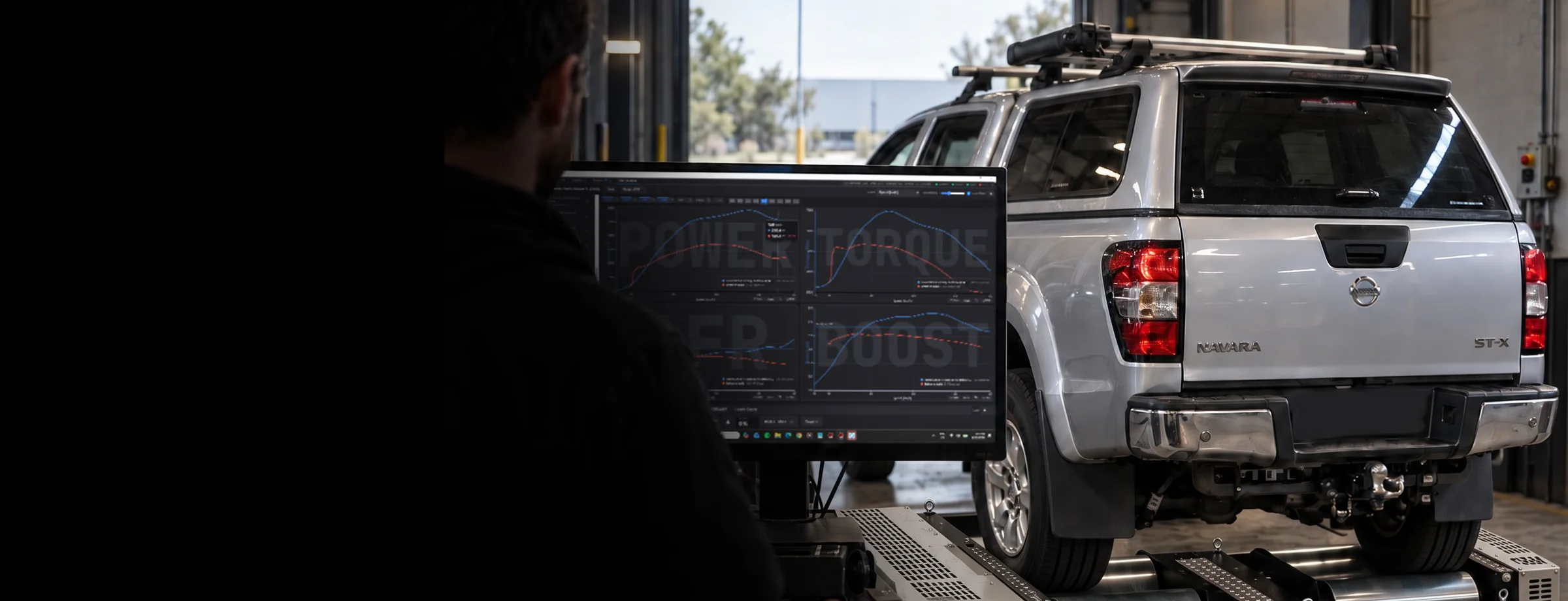 Performance and tunes
What our tuning actually gained, measured on our own dyno, with the stage packages that fit your engine and what each one adds.
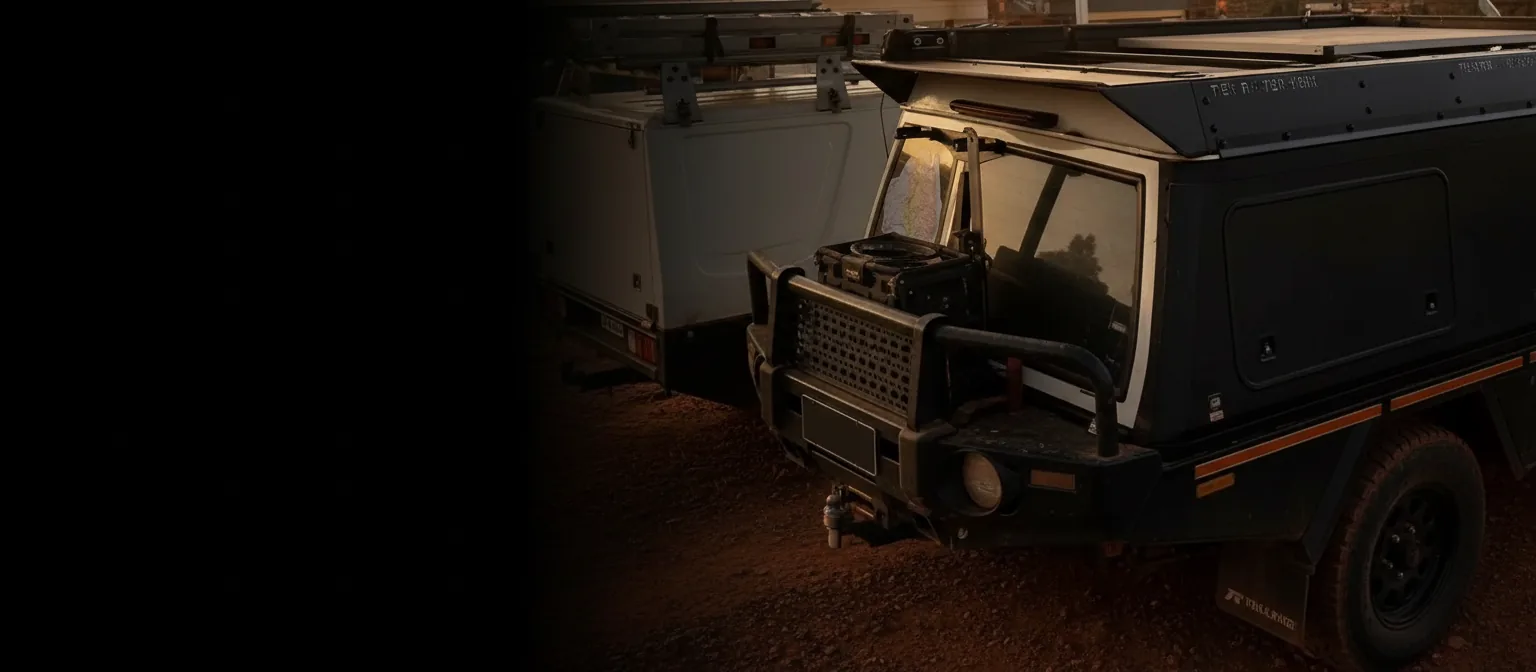 GVM upgrades
The weight side of the same conversation: what a canopy does to your payload, and where a GVM upgrade becomes the honest answer.
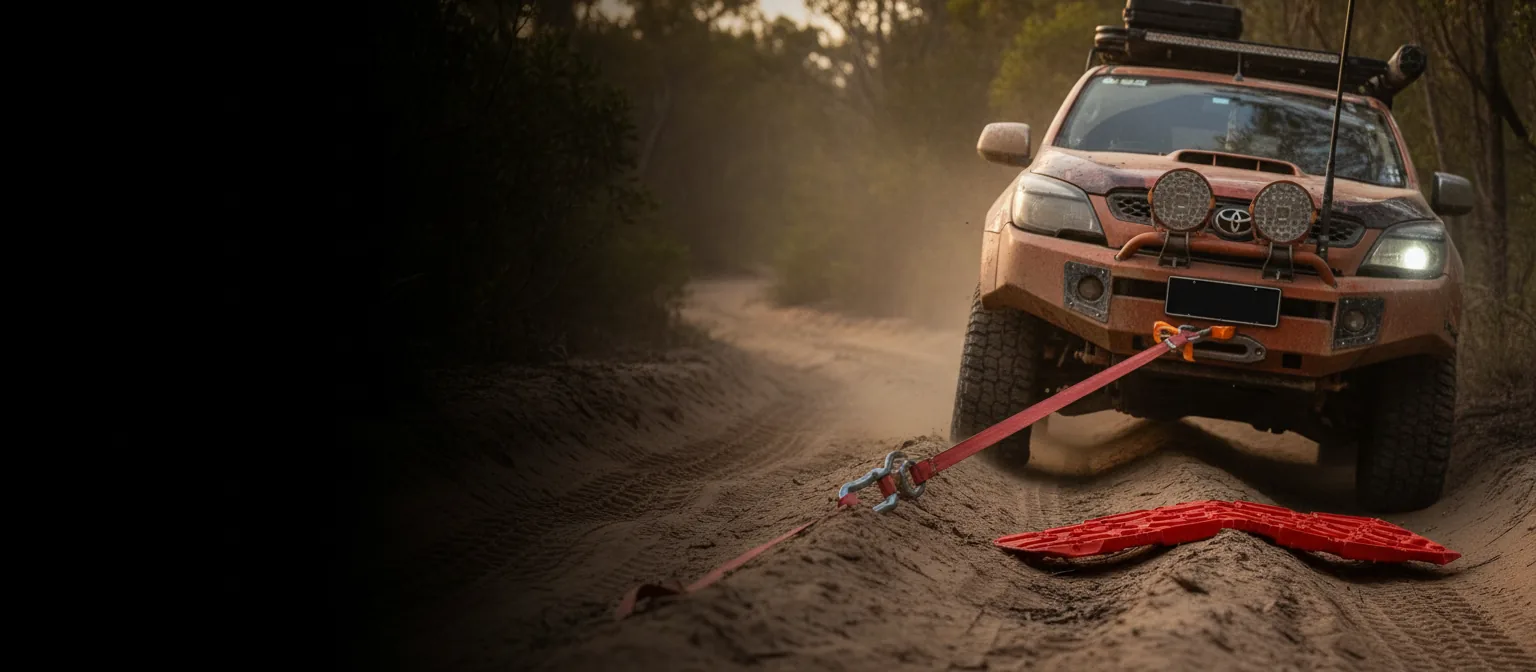 Recovery gear
Rated points, boards and winches. A lifted 4WD goes further before it gets stuck, which is not the same as not getting stuck.
 Fitting instructions
The booklets and videos for what we sell, if you would rather do it in your own shed.
 Where to get it fitted
Narangba is ours; the rest of the network is listed state by state, with directions to each. Fitting is quoted separately from the parts.